Welcome to Sani Engineering And Automation

The Role of Load Cells in Accurate Truck Weighing Solutions

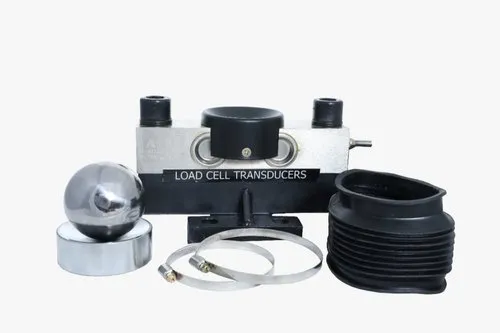
A load cell is a precision device that converts mechanical force (such as weight or compression) into an electrical signal.

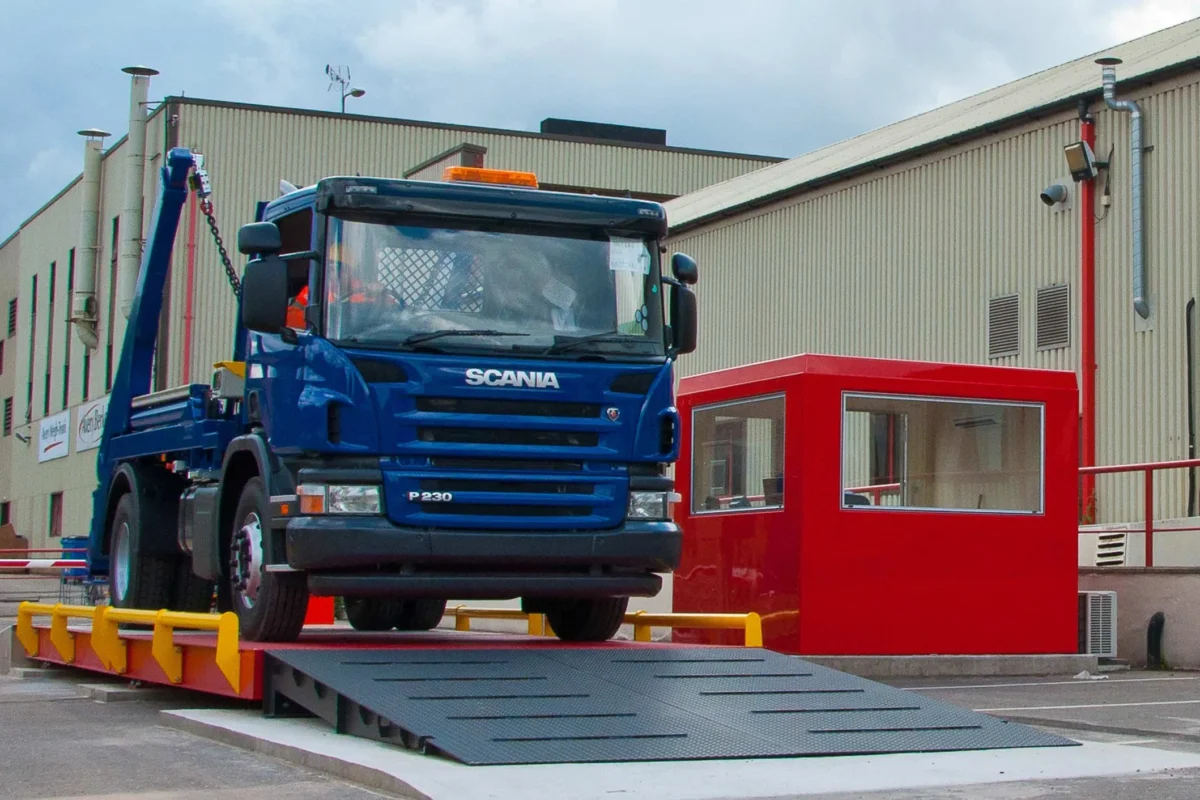
When a truck drives onto a weighbridge, the weight of the vehicle and its cargo is transferred through the structure to the load cells beneath. These cells slightly deform under pressure, and strain gauges inside them detect that deformation. The resulting electrical signal is processed and converted into a digital weight reading.

Because of this mechanism, load cells are truly the heart of any accurate truck weighing system.
Tip: When setting up truck scales in harsh outdoor environments, always choose load cells designed for heat, moisture, and dust resistance. Proper installation and calibration matter just as much as the hardware itself.


Why are load cells critical for accurate truck weighing solutions?

Ensuring legal compliance and safety

Overloaded trucks damage roads, increase accident risks, and may result in heavy fines. Using accurate load-cell-based weighing systems ensures that every truck stays within safe and legal weight limits.

Improving business efficiency

Precise weighing helps avoid costly under- or over-loading. Whether your operation involves mining, construction, agriculture, or transport logistics, knowing the exact load improves billing accuracy, inventory management, and fuel efficiency.

Longevity, reliability, and low maintenance

High-quality load cells offer excellent long-term stability. Their robust design reduces downtime and maintenance costs, keeping your weighbridge operational year-round.

Example tip: During installation, make sure load cells are perfectly aligned and protected from side impacts. Even premium-grade load cells can lose accuracy if not mounted correctly.


What types of load cells are used in truck weighing systems?

Strain-gauge load cells

The most common type, these use bonded strain gauges that measure changes in resistance when a force is applied. They are highly accurate and reliable for heavy-duty applications.

Compression and shear-beam load cells

These are typically used for truck scales and weighbridges. Compression load cells handle vertical forces, while shear-beam designs offer superior stability under dynamic, shifting loads.

Digital load cells

Modern truck weighing systems increasingly use digital load cells. They include built-in electronics for signal processing, diagnostics, and calibration. Digital technology minimizes interference, improves precision, and enables remote monitoring.

Tip: Consider investing in digital load cells with self-diagnostic features — they reduce service calls and downtime.


How should load cells be installed for maximum accuracy?

Why placement matters

Improper placement can lead to uneven load distribution and inaccurate readings. Load cells should be positioned symmetrically and supported on a stable foundation to share the load evenly.

Mounting, alignment, and calibration

  • The weighbridge deck must move freely without friction or obstruction.
  • All load cells should carry an equal portion of the total load.
  • Schedule regular calibration and inspections — even small drifts can cause significant weighing errors over time.

Environmental considerations

Outdoor installations are exposed to moisture, dust, and temperature changes. Use load cells with high IP ratings, corrosion-resistant materials, and sealed junction boxes.

Tip: Always plan for easy maintenance access and periodic leveling checks. Proper protection and routine care extend both accuracy and lifespan.


What are the main benefits of using load-cell-based truck weighing systems?

  • High accuracy and repeatability – Load cells deliver precise and consistent measurements every time.
  • Faster throughput – Automated readings allow trucks to be weighed quickly, reducing waiting times.
  • Data integration – Modern systems can integrate weight data with ERP, inventory, and fleet management systems.
  • Cost savings – Less maintenance and longer service life lower the total cost of ownership.
  • Trust and compliance – Certified load cells ensure legal trade compliance and minimize disputes between buyers and sellers.

Tip: Highlight these advantages when working with clients in industries such as logistics, mining, or agriculture. Accurate weighing helps build trust and efficiency across operations.


What are common challenges in truck weighing systems — and how to avoid them?

  • Improper installation – Misalignment or poor mounting reduces accuracy. Always follow manufacturer specifications.
  • Environmental damage – Protect load cells from water, corrosion, and extreme temperatures.
  • Structural settling – Uneven foundations or shifting supports can affect readings.
  • Neglected calibration – Regular calibration and zero checks are essential for sustained accuracy.

Tip: Create a simple daily check routine. Inspect zero balance, warning indicators, and weighbridge condition before operations begin.


FAQ – Frequently Asked Questions

Q: Can any load cell be used for truck weighing?
A: No. Truck weighbridges require heavy-duty load cells designed for large dynamic loads, outdoor use, and legal-for-trade certification.

Q: How many load cells does a weighbridge use?
A: Most truck scales use between six and twelve load cells, depending on size and capacity, to ensure even weight distribution and redundancy.

Q: How often should load cells be calibrated?
A: At least once a year is recommended, though high-use or harsh environments may require more frequent calibration.

Q: What is the role of a weighing system integrator like Sani Engineering & Automation Ltd?
A: The integrator ensures correct load cell selection, installation, wiring, and calibration. They also provide ongoing support, maintenance, and system integration for reliable long-term performance.


Final Thoughts

For industries that rely on bulk transport, mining, construction, or logistics, accurate truck weighing is more than just a compliance requirement — it’s a competitive advantage.

At Sani Engineering & Automation Ltd, we specialize in designing and installing high-precision load-cell-based weighing systems that deliver accuracy, durability, and efficiency across Uganda and East Africa.

When you invest in quality load cells and professional installation, you gain more than numbers on a screen — you gain control, confidence, and long-term savings.
The Cost of Fire Safety in Uganda: What to Budget for Your Business

Investing in fire safety isn’t just a legal box to tick—it’s protection for your people, your assets, and your business continuity. But what should a Ugandan business budget for? The truth is: costs vary with building size, risk level, and the type of systems installed. Below is a breakdown of key cost drivers to help you plan with confidence.

What are the main cost components?

  1. Equipment purchase & installation – fire extinguishers, smoke detectors, alarms, hydrants, sprinklers, emergency lighting. In Uganda, smoke alarms can start around UGX 79,000 (≈ US$21) and fire extinguishers from a few hundred thousand shillings, depending on the type.
  2. Design & regulatory compliance – budget for assessments, layout planning, permits, and compliance with local fire codes.
  3. Training & drills – staff fire-warden training, evacuation drills, refresher sessions.
  4. Maintenance & servicing – regular checks, refilling extinguishers, testing alarms, replacing parts.
  5. Upgrades & expansion – as your business grows or risk profile changes, you may need to upgrade.

What ballpark figures should you expect?

Because published local rates are limited, use this approach:

  • Small office (1-2 storeys, low risk): Around US$1,000-3,000 for basic setup (extinguishers, alarms, signage, training).
  • Medium facility (factory, warehouse, retail): Could range from US$5,000-20,000+ depending on system complexity.
  • High-risk site (chemical, large warehouse, high-rise): Often US$20,000-100,000+, including sprinklers, hydrants, and full installations.

These numbers are illustrative—exact quotes depend on your site assessment and local supplier pricing.


Why does cost vary so much in Uganda?

What factors drive variation?

  • Risk category: Offices face lower risk than workshops with combustible materials.
  • Building size & height: More floors = more zones, more detectors, higher cost.
  • System complexity: Basic alarms vs full sprinkler or gas suppression systems.
  • Equipment quality: Imported vs local, branded vs generic.
  • Maintenance culture: Poor maintenance leads to frequent replacements and higher lifetime costs.
  • Regulatory & insurance requirements: Some insurers require advanced systems, increasing total cost.

What are typical hidden costs?

  • Employee training and re-training.
  • Downtime during installation or testing.
  • Replacement of outdated systems.
  • Compliance audits.
  • Consumables (refills, signage, batteries, labels).

Recognising these helps you create a more accurate budget.


How can you budget smartly for fire safety?

What steps should businesses take?

  1. Conduct a fire-risk assessment: Engage a certified professional (like Sani Engineering & Automation Ltd) to identify hazards and requirements.
  2. Break costs into phases: Start with essentials (extinguishers, alarms, signage) and scale up gradually.
  3. Shop for quality & warranties: Choose systems with reliable servicing and replacement parts.
  4. Plan maintenance budgets: Allocate 5-10% of your initial equipment cost annually for servicing and training.
  5. Engage your insurer: Fire-safety investments can sometimes reduce premiums.
  6. Monitor & review regularly: Annual reviews ensure systems remain effective and compliant.

What are cost-saving tips without compromising safety?

  • Buy quality local products with certifications.
  • Train internal staff for routine fire drills.
  • Bundle maintenance contracts to avoid sudden expenses.
  • Replace only what’s outdated—use modular systems to phase upgrades.
  • Keep good documentation for audits and insurance.

What must your business include in a fire-safety budget?

Which items are non-negotiable?

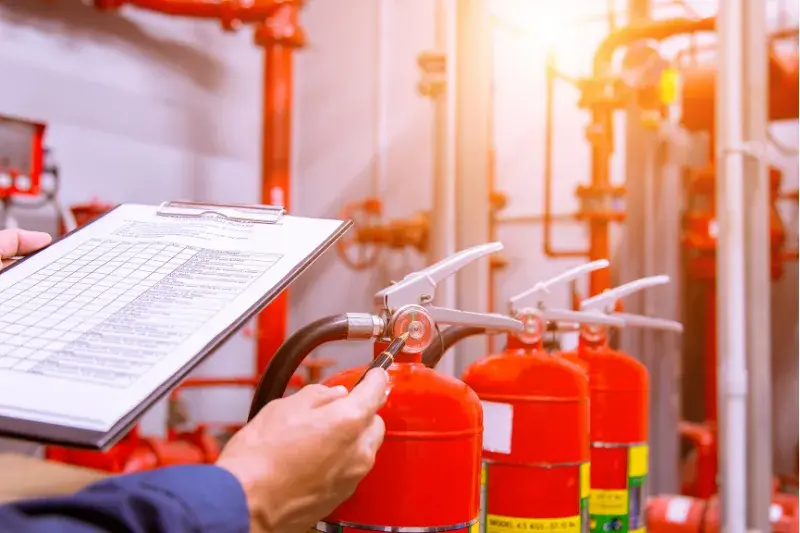
  • Fire extinguishers suited to your risk type (water, foam, CO₂, powder).
  • Smoke detectors, alarms, emergency lighting, and exit signage.
  • Fire-escape plans and marked exits.
  • Staff training and evacuation drills.
  • Regular maintenance checks and logs.
  • Documentation and compliance certificates.

Which items might you consider as enhancements?

  • Automatic sprinkler or suppression systems.
  • Hydrant systems, wet risers, or dry risers for multi-storey buildings.
  • Fire-resistant doors and walls.
  • Advanced detection or integrated monitoring systems.

What returns should you expect from fire-safety investment?

  • Reduced business interruption: A proper system can minimize downtime after incidents.
  • Lower insurance costs: Strong fire-safety measures often lead to better premium rates.
  • Improved employee confidence: A safe workplace boosts morale and productivity.
  • Regulatory and reputational benefits: Compliance strengthens your brand and trust with clients.
  • Long-term savings: The cost of a well-maintained fire-safety system is far less than fire damage losses.

Frequently Asked Questions (FAQ)

Q: How often should fire-safety equipment be serviced in Uganda?
A: At least once a year for extinguishers and alarms. Some components, like batteries or sensors, should be checked every six months.

Q: Can I start small and expand my fire-safety system later?
A: Yes. Start with essential items and plan for phased upgrades as your business grows.

Q: Do all businesses need sprinkler systems?
A: No. Small or low-risk businesses may only require alarms and extinguishers, while high-risk facilities need advanced suppression systems.

Q: Are imported systems better than local ones?
A: Not necessarily. Locally available, certified systems can be just as effective and easier to service.

Q: How much should I budget annually for maintenance?
A: Around 5–10% of your total initial fire-safety investment.


Final Thoughts

Budgeting for fire safety in Uganda is not just about compliance—it’s about safeguarding your business and people. When you understand your risks and plan in phases, the costs become manageable.

At Sani Engineering & Automation Ltd, we believe fire safety is an investment that pays off in reliability, protection, and peace of mind. Whether you’re setting up a new business or upgrading existing systems, our experts can help design, install, and maintain effective fire-safety solutions tailored to your budget.

The Latest Trends in CCTV Surveillance Technology for Security in Uganda

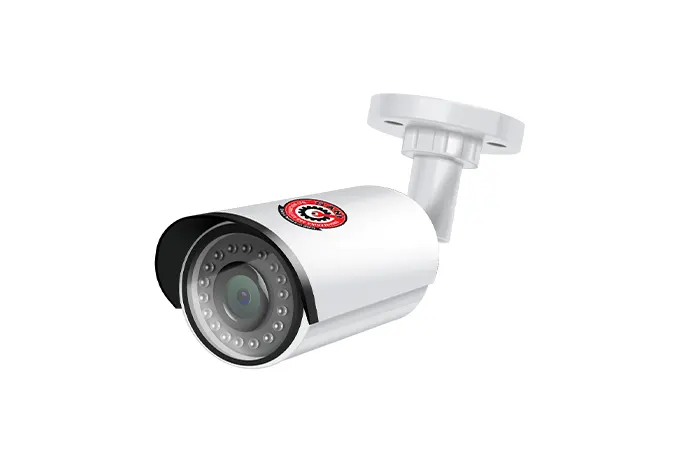
Security is no longer something we can take lightly. In Uganda today, the demand for reliable protection is growing fast — from homes to businesses, everyone wants to feel safe. That’s where CCTV surveillance comes in. At Sani Engineering & Automation Ltd, we’ve seen how technology has transformed this field. CCTV systems are no longer just about recording footage; they are now smarter, sharper, and more efficient than ever before.

In this blog, we’ll walk you through the latest trends in CCTV surveillance technology and explain how these advancements are improving security in Uganda.


Smarter Cameras with AI and Analytics

Gone are the days when cameras just captured video. Today, CCTV systems come with artificial intelligence (AI) features. These smart cameras can detect unusual movements, recognize faces, count people, and even alert us when something suspicious happens.

AI-powered CCTV helps reduce human error and saves time. Instead of watching hours of footage, we can focus only on what matters most — the alerts that signal real threats. This makes our security solutions more effective for both homes and businesses in Uganda.


Remote Monitoring and Mobile Access

One of the most exciting advancements is remote access. With modern CCTV systems, we can view live footage right from our smartphones, tablets, or laptops.

This trend has changed how Ugandans manage security. Business owners can keep an eye on their shops even when traveling. Homeowners can check on their property while at work or on holiday. All it takes is a secure internet connection, and you’re always connected to your security system.


High-Definition and 4K Video Quality

Clarity is key when it comes to surveillance. Modern CCTV cameras now offer HD and even 4K resolution. This means sharper images, clearer details, and the ability to zoom in without losing quality.

For us, this technology makes a huge difference. If there’s an incident, identifying faces, license plates, or small details is much easier with high-resolution footage. Better quality equals better protection.


Night Vision and Low-Light Technology

Criminals often target areas at night, but technology is staying ahead. Today’s CCTV systems use infrared and low-light technology to capture clear footage in the dark.

We’ve seen how helpful this is for businesses that operate late or homeowners in areas with poor street lighting. With advanced night vision, our clients in Uganda don’t have to worry about blind spots when the sun goes down.


Cloud Storage for Safer Footage

Traditional CCTV systems relied on hard drives and DVRs for storage. While still useful, these can get damaged or stolen. The new trend is cloud storage.

With cloud storage, footage is saved securely online. Even if a camera or recorder is damaged, the video files remain safe. This gives peace of mind because evidence is always protected. We recommend this solution for many of our clients who want reliable and long-term storage.


Integration with Smart Security Systems

CCTV is no longer a standalone system. It can now integrate with alarms, access control, and fire detection systems.

For example, if an alarm goes off, the camera can automatically start recording or send an instant alert to your phone. Integration creates a stronger security network, making it easier for us to provide comprehensive solutions to Ugandan homes and businesses.


Wireless and Easy-to-Install Systems

Not every location is easy to wire for CCTV. That’s why wireless cameras are becoming more popular in Uganda. These systems are quick to install and don’t require drilling through walls or running long cables.

Wireless systems are perfect for rental properties, offices, and homes where flexibility is needed. They are also easier to upgrade or relocate when moving.


The Future of CCTV in Uganda

Looking ahead, CCTV surveillance will only get smarter. We expect more advanced AI features, better integration with smart devices, and even more affordable solutions for everyday users.

At Sani Engineering & Automation Ltd, we are proud to be part of this transformation. We continue to bring these modern solutions to Ugandan homes and businesses, ensuring that safety is never compromised.


Why These Trends Matter to You

Technology should always serve people. These trends in CCTV are not just about gadgets — they are about peace of mind.

  • As a homeowner, you can keep your family safe.
  • As a business owner, you can protect your assets.
  • As a community, we can reduce crime and create safer spaces.

By adopting the latest CCTV technology, we’re not just keeping up with the world; we’re building a safer Uganda together.


FAQs

1. Are modern CCTV cameras expensive in Uganda?
Prices vary depending on the features, but with new technology becoming more common, CCTV systems are more affordable than ever.

2. Can I view my CCTV cameras from my phone?
Yes, modern systems allow remote access through mobile apps, so you can monitor your property from anywhere.

3. Do I need the internet for CCTV cameras to work?
Not always. Some systems work offline, but for remote access and cloud storage, an internet connection is required.

4. How long can CCTV footage be stored?
It depends on the storage option. With cloud storage, you can save footage for months or even years without worrying about space.

5. Can CCTV cameras work during a power outage?
Yes, with backup power systems like UPS or solar options, your CCTV can continue running during outages.


Final Thoughts – Let’s Secure Your Space

CCTV surveillance has evolved into something powerful, smart, and user-friendly. From AI and mobile access to cloud storage and smart integrations, the latest trends are reshaping security in Uganda.

If you’re ready to upgrade or install a reliable CCTV system, we’re here to help. At Sani Engineering & Automation Ltd, we provide tailored security solutions that fit your needs.

Contact us today and let’s secure your home, office, or business with the latest CCTV technology.

Fire Extinguishers Uganda: What to Buy, How Much It Costs & How to Stay Safe

When it comes to safety, nothing gives peace of mind like knowing you are prepared for emergencies. Fire is unpredictable, but with the right equipment, you can control it before it gets out of hand. At Sani Engineering & Automation Ltd, we help businesses, homeowners, and institutions in Uganda stay safe with reliable fire extinguishers.

In this blog, we’ll guide you on the types of fire extinguishers available in Uganda, how much they cost, and how to choose the right one for your needs.


Why Fire Extinguishers Matter

Fire extinguishers are not just required by law in many settings — they save lives and property. A small fire can double in size every 30 seconds. If you have the right extinguisher close by, you can stop it before it spreads.

We have seen many cases where a simple fire extinguisher has prevented massive losses. That’s why we always encourage our clients to never treat safety as an afterthought.


Fire Extinguishers Uganda: Types You Should Know

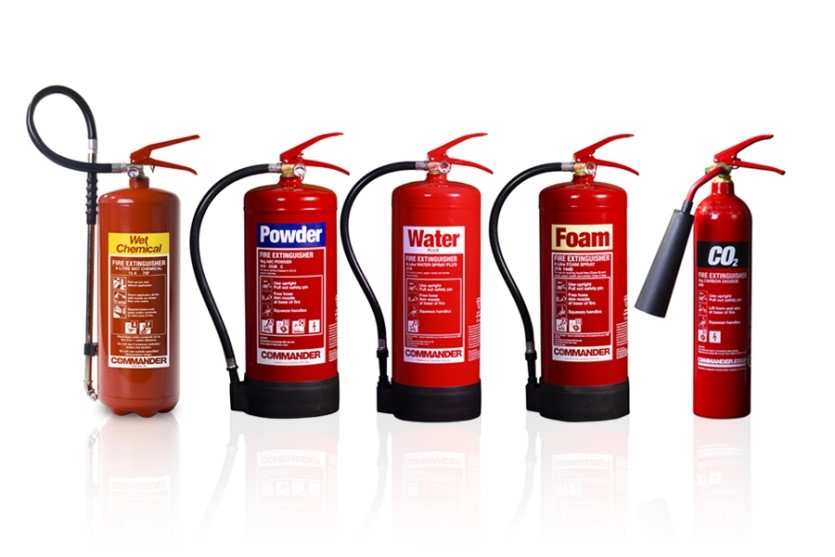
Not every extinguisher works for every type of fire. Choosing the right one is critical. In Uganda, the most common fire extinguishers include:

1. Water Fire Extinguishers

  • Best for ordinary fires involving paper, wood, and fabrics.
  • Affordable and easy to use.
  • Not suitable for electrical or oil fires.

2. Foam Fire Extinguishers

  • Effective for fires caused by flammable liquids like petrol and diesel.
  • Forms a blanket to smother flames.
  • Can also be used on solid fires.

3. CO₂ (Carbon Dioxide) Fire Extinguishers

  • Perfect for electrical fires in offices, homes, and IT rooms.
  • Leaves no residue, which means no damage to equipment.
  • Must be used carefully in enclosed spaces.

4. Dry Powder Fire Extinguishers

  • Versatile and can handle multiple fire types.
  • Good for vehicles, workshops, and industries.
  • May leave some residue, so it’s better for outdoor or industrial use.

5. Wet Chemical Fire Extinguishers

  • Designed for kitchen fires involving cooking oils and fats.
  • Creates a cooling effect and prevents re-ignition.

We guide our clients based on their environment — whether it’s an office, factory, school, or home. The right extinguisher makes all the difference.


Fire Extinguishers Uganda: How Much Do They Cost?

The price of a fire extinguisher in Uganda depends on its size, type, and quality. Here’s a simple guide to help you:

  • Small Extinguishers (1–2kg): From UGX 70,000 – ideal for cars and small offices.
  • Medium Extinguishers (4–6kg): From UGX 120,000 – suitable for homes and shops.
  • Large Extinguishers (9–12kg): From UGX 200,000 – best for factories, schools, and large spaces.

CO₂ extinguishers are slightly more expensive because of their special use in electrical settings, while wet chemical extinguishers are mostly used in commercial kitchens.

We always recommend investing in high-quality extinguishers instead of going for the cheapest option. A faulty extinguisher during an emergency can cost much more than the price difference.


How to Stay Safe With Fire Extinguishers

Buying a fire extinguisher is the first step. Using and maintaining it correctly is just as important.

1. Learn How to Use It

We train our clients on the PASS rule:

  • Pull the pin.
  • Aim at the base of the fire.
  • Squeeze the handle.
  • Sweep side to side.

2. Place Extinguishers in the Right Spots

  • Keep one in the kitchen.
  • Have one in the living room or corridor at home.
  • Offices should place them near exits.
  • Factories need multiple extinguishers spread across different sections.

3. Service Regularly

A fire extinguisher needs annual servicing to ensure it works properly. Pressure levels can drop, and hoses can get blocked. We offer professional servicing and refilling in Uganda to keep your equipment in top shape.

4. Don’t Replace Training With Equipment

Even the best extinguisher is useless if no one knows how to use it. We encourage staff training and awareness for every workplace.


Why Choose Us for Fire Extinguishers in Uganda

At Sani Engineering & Automation Ltd, we don’t just sell extinguishers. We provide complete fire safety solutions. From supply and installation to servicing and training, we are here to make sure you are fully protected.

We take pride in offering UNBS-approved fire extinguishers that meet safety standards in Uganda. Our goal is simple: to help you protect lives and property.


Call to Action

🔥 Don’t wait for a fire emergency to start thinking about safety. Get in touch with us today for the best fire extinguishers in Uganda, expert advice, and professional servicing.

📞 Contact us now and let’s keep your home, office, or factory safe.


FAQs

1. How often should I service my fire extinguisher in Uganda?

At least once a year. Regular servicing ensures it will work during an emergency.

2. Can I refill a fire extinguisher after use?

Yes, extinguishers can be refilled after use. We provide refilling services to restore them.

3. Which fire extinguisher is best for homes in Uganda?

For most homes, a dry powder or CO₂ extinguisher is ideal because it covers multiple fire types.

4. Are fire extinguishers required by law in Uganda?

Yes, workplaces, commercial spaces, and institutions are required to have fire extinguishers by law for safety compliance.

5. How do I know which extinguisher I need?

It depends on your environment. Contact us, and we’ll recommend the right extinguisher for your specific needs.

Why Sani Engineering is Uganda’s One-Stop Shop for Safety and Weighing

In today’s fast-moving world, safety and accuracy are non-negotiable. Whether you are running a factory, managing logistics, or setting up a workplace, you need reliable tools and services that guarantee protection and precision. That’s where we come in. At Sani Engineering & Automation Ltd, we have made it our mission to be Uganda’s one-stop shop for safety and weighing solutions. From fire extinguishers to weighbridges, indicators, and weighing software, we provide everything you need under one roof.

Our focus is simple: to keep your business safe and your operations accurate.


Our Role in Safety

Fire Safety Solutions You Can Trust

Workplace safety begins with fire protection. We supply and install high-quality fire extinguishers in Uganda, ensuring that your team is always prepared for emergencies. We don’t just sell; we also provide refilling, maintenance, and UNBS-certified calibration to keep your extinguishers in top shape.

Compliance Made Simple

We know that dealing with safety standards can feel overwhelming. That’s why we guide our clients through UNBS safety requirements, helping you stay compliant without stress. Our team’s expertise ensures you never have to worry about failing inspections.


Accurate Weighing for Every Industry

Weighbridges Built for Reliability

Every kilogram matters in trade and transport. Our weighbridges in Uganda give businesses the confidence they need to operate smoothly. We supply, install, and maintain weighbridges that are durable and compliant with standards.

Weighing Indicators and Controllers

A weighbridge is only as good as its indicators. That’s why we provide weighbridge indicators, weighing scale indicators, and weighing controllers in Uganda that ensure precise readings every time. Accuracy isn’t optional—it’s the backbone of fair business.

Weighing Software for Modern Businesses

Technology is changing how we do business. Our weighbridge software in Uganda makes weighing smarter, faster, and more transparent. From data tracking to real-time reports, our software gives you full control of your operations.


Why Choose Us?

1. One-Stop Shop

You don’t have to run around looking for different suppliers. We offer safety equipment, weighing systems, software, and calibration services in one place.

2. Certified Quality

All our products and services follow UNBS standards. This gives you peace of mind, knowing you’re working with certified solutions.

3. Local Expertise, Global Standards

We understand Uganda’s unique market needs but also bring global expertise in weighing and safety technology.

4. Customer-Centered Support

We don’t just sell and leave. We stand with you through installation, training, servicing, and maintenance. Your success is our success.


Real Impact: Helping Businesses Grow

When your weighing system is accurate, you build trust with customers. When your safety systems are reliable, you protect your team and assets. These two factors—trust and protection—create the foundation for growth.

We have worked with factories, logistics companies, warehouses, and small businesses across Uganda. Each time, we’ve seen how accurate weighing and reliable safety equipment directly improve operations and profits.


Your Next Step

If you’re looking for fire extinguishers in Uganda, weighbridges in Kampala, or weighing software solutions, we’re here to help. At Sani Engineering & Automation Ltd, we make safety and accuracy simple, affordable, and reliable.

Contact us today to learn how we can support your business with the right solutions.


FAQs

1. Do you provide UNBS-certified services?
Yes. All our weighing and safety solutions meet UNBS standards, giving you confidence in compliance and quality.

2. Can I get both safety equipment and weighing systems from you?
Absolutely. We are a one-stop shop for fire extinguishers, weighing equipment, software, and servicing.

3. Do you offer installation and maintenance?
Yes. We provide installation, calibration, servicing, and after-sales support for all our products.

4. Is your software easy to use?
Yes. Our weighbridge software is designed to be user-friendly, offering clear reports and easy management.

5. Do you only serve large companies?
No. We work with businesses of all sizes, from small shops to large industrial operations.

Strength Under Pressure: Why Your Industry Needs a Universal Testing Machine

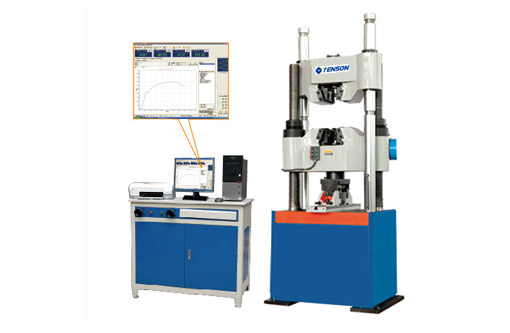
A Universal Testing Machine (UTM) is an essential piece of equipment used to test the mechanical properties of materials. It applies controlled tension or compression to a sample and records how it reacts. With it, we can measure strength, elasticity, durability, and more — all in one machine.

In industries where quality, safety, and precision matter, a UTM becomes a non-negotiable tool. Whether you’re in construction, manufacturing, metal fabrication, or plastic production, understanding the stress limits of your materials is critical.

At Sani Engineering and Automation Ltd, we help businesses like yours build with confidence by offering reliable and accurate Universal Testing Machines in Uganda.


Why Does Your Industry Need a UTM?

1. Quality Assurance at Every Level

A Universal Testing Machine allows us to consistently check product quality before it reaches the market. When materials are tested correctly, it reduces the chances of defects and increases customer satisfaction.

From metal rods to plastic parts, we can ensure everything meets required standards. This testing keeps your business compliant with industry regulations and reduces costly returns or failures.


2. Precision You Can Count On

Our Universal Testing Machines provide highly accurate data — essential when you’re building for safety, durability, and reliability.

Imagine constructing a bridge or producing automotive parts. Wouldn’t you want to know how much weight your components can bear before giving out? A UTM gives you that confidence by testing:

  • Tensile strength
  • Compression strength
  • Elongation
  • Flexural strength
  • Yield point

We don’t just sell the machine — we guide you in selecting the right one for your needs, ensuring it serves your industry best.


3. Cost-Effective Long-Term Solution

Investing in a UTM may seem expensive at first. But let’s look at the bigger picture. If you skip proper testing, product failures can cost your business much more — not just in money, but in reputation and safety risks.

We believe in smart investments that prevent big losses. With proper material testing using our UTM solutions, you reduce waste, lower returns, and make better design decisions from the beginning.


4. Flexible Testing for a Variety of Materials

Different industries require different materials — and our machines are built to handle them all. Whether it’s rubber, plastic, wood, metal, or fabric, we’ll help you test everything effectively.

Our UTMs are customizable to fit your specific requirements. We’ll help you choose the right model, whether you need:

  • Manual or computerized control
  • Single or dual column machines
  • Digital displays for easy readings
  • High-load capacity equipment

We make it easy for you to test your materials with confidence.


5. Compliance Made Simple

Industry standards are constantly evolving. Whether you’re working under ISO, ASTM, or BS standards, staying compliant means having a testing system in place that can prove your material strength.

With our UTMs, compliance becomes a breeze. Our machines help generate precise reports, ensuring you’re always ready for certifications, audits, and inspections.

We don’t just sell equipment — we provide technical support, setup, and training to make sure you get the most out of your investment.


Why Choose Sani Engineering and Automation Ltd?

We are not just equipment suppliers. We’re partners in your quality journey.

Here’s what you get when you work with us:

✅ Expert consultation to choose the right Universal Testing Machine
✅ Installation, setup, and user training
✅ After-sales support and technical assistance
✅ High-quality equipment designed for African industries
✅ Friendly, professional service you can trust

Let us help you bring strength and reliability to every product you make.


Let’s Talk About Your Testing Needs

Every industry is different. But one thing is the same — you need to be sure your materials are strong enough.

Don’t wait for failure to realize the importance of proper testing. Let us help you stay ahead of problems, reduce risks, and build better with confidence.

Contact Sani Engineering and Automation Ltd today to explore our range of Universal Testing Machines. We’re here to help you every step of the way.


Frequently Asked Questions (FAQs)

1. What does a Universal Testing Machine do?
A UTM measures the mechanical strength of materials like metals, plastics, rubber, and composites. It can test tensile, compressive, and bending strength.

2. Which industries need a UTM?
Any industry that manufactures or uses structural materials — such as construction, automotive, plastic, metal fabrication, and packaging — can benefit from a UTM.

3. Can Sani Engineering help install and maintain the machine?
Yes. We provide full support, including installation, training, calibration, and after-sales service to ensure your UTM works effectively.

4. How do I choose the right UTM for my business?
Our team will assess your industry, testing requirements, and budget to recommend the best machine that fits your needs.

5. Is the UTM easy to use?
Absolutely. With the right training from our team, your staff can operate it smoothly and interpret test results with confidence.


Ready to Strengthen Your Business?

Let’s talk about how a Universal Testing Machine can make a difference in your industry.


Smoke vs. Heat Detectors: What’s Best for Your Facility?

When it comes to protecting your building, every second counts. Fire safety isn’t just about having an extinguisher nearby — it’s about early detection. And that’s where smoke and heat detectors come in.

But how do you choose the right one for your facility?

At Sani Engineering & Automation Ltd, we understand this decision can be confusing. We’re here to help you make a smart, safe, and informed choice.


What’s the Difference Between Smoke and Heat Detectors?

Both devices are designed to detect fire — but they work in very different ways.

Smoke Detectors

Smoke detectors sense particles in the air. If there’s smoke, the alarm goes off.

There are two main types:

  • Ionization detectors – better for fast-flaming fires.
  • Photoelectric detectors – better for slow, smoldering fires.

Smoke detectors give you early warning, which is crucial in large buildings or facilities where people need time to evacuate.

Heat Detectors

Heat detectors respond to temperature changes. When the heat in a room rises above a certain threshold, they sound the alarm.

There are two main types:

  • Fixed temperature detectors – trigger at a set temperature.
  • Rate-of-rise detectors – trigger when temperature rises quickly.

These are more suitable for spaces where smoke might be common, like kitchens or mechanical rooms.


Which One is Best for Your Facility?

The right choice depends on your building, activities, and risks.

Let’s break it down:

Choose Smoke Detectors If:

  • You have office spaces, hotels, or residential buildings.
  • Early fire detection is a top priority.
  • People need time to evacuate.
  • Fires may start unnoticed (like in a storeroom).

Smoke detectors offer a quicker response. They’re ideal for protecting lives.

Choose Heat Detectors If:

  • You’re protecting a kitchen, garage, or warehouse.
  • There are often fumes, dust, or steam.
  • You want fewer false alarms.
  • The environment is hot or humid.

Heat detectors are great in places where smoke is part of daily operations. They’re also useful in high-dust areas where smoke detectors may not work well.


Can You Use Both?

Absolutely! In fact, combining both can offer the best protection.

We often recommend a hybrid fire detection system. This setup uses smoke detectors where early warning is critical and heat detectors where conditions may cause false alarms.

It’s all about creating a smart, tailored safety system.


Why the Right Detector Matters

Choosing the wrong type of detector can lead to:

  • False alarms that disrupt work.
  • Delayed detection of real fires.
  • Reduced safety for people and property.

That’s why our team takes time to evaluate each client’s facility. We look at room function, layout, occupancy, and fire risks before recommending a solution.


We’re Here to Help You Make the Right Choice

Fire safety is what we do — and we do it with care.

We don’t believe in one-size-fits-all answers. We listen to you, inspect your space, and design the best fire detection system for your unique needs.

Whether you’re running a hotel, factory, school, or retail shop, we’ve got the expertise to keep you protected.

Need help choosing the right detector for your facility?


FAQs: Smoke vs. Heat Detectors

1. Can I install smoke detectors in my kitchen?

We don’t recommend it. Kitchens produce steam and smoke from cooking, which can trigger false alarms. Heat detectors are better in this area.

2. How often should detectors be tested?

Test detectors at least once a month. For businesses, we recommend regular professional checks as part of your fire safety routine.

3. Are smoke detectors enough for a warehouse?

Not always. Warehouses often need heat detectors due to dust and large open spaces. We’ll assess your facility and advise accordingly.

4. What’s the lifespan of these detectors?

Most detectors last 8–10 years. After that, we recommend replacing them, even if they still seem functional.

5. Can I install fire detectors myself?

While some models are DIY-friendly, we strongly recommend professional installation to ensure proper placement and connection to your system.


Final Thoughts

Every facility is different, and fire safety shouldn’t be a guessing game. Whether it’s smoke detectors, heat detectors, or both — we’re here to help you choose the right solution.

Ready to take the next step in protecting your facility? We’ll help you make the safe, smart choice.

Let’s build a safer tomorrow — together.

From Manual to Automated: The Evolution of Weighing Systems

In the world of measurement, accuracy means everything. Whether it’s in transport, manufacturing, or agriculture, getting the right weight can make or break a process. At Sani Engineering and automation Ltd, we’ve seen firsthand how weighing systems have changed — and how these changes are making businesses smarter, faster, and more efficient.

Let’s walk you through the journey of weighing systems — from the manual methods of the past to the powerful automated solutions we offer today.


The Early Days: Manual Weighing Systems

Weighing used to be a slow and hands-on task.

In the early days, people used balance scales, spring scales, and other mechanical devices to determine weight. These systems were simple and didn’t require electricity. But they came with several challenges:

  • They relied heavily on human interpretation.
  • Results varied depending on skill and environmental factors.
  • Accuracy was often compromised.
  • They were time-consuming, especially with large quantities.

Still, manual weighing laid the foundation for everything we use today. It taught us the value of precision and how important weighing is in trade and production.


The Turning Point: Digital Technology Steps In

As industries grew, so did the need for speed and accuracy.

Digital scales were a game changer. Suddenly, you could measure weight in seconds and get consistent results every time. With digital displays and sensors, weighing became less manual — and a lot more reliable.

Key improvements included:

  • Faster readings
  • Higher precision
  • Easy calibration
  • Data storage and transfer options

This stage marked the shift from human-led processes to tech-assisted systems. But the best was yet to come.


The Rise of Automation in Weighing

Today, automated weighing systems are leading the way.

These systems do more than just display numbers. They are connected, smart, and often integrated into bigger operations like production lines, inventory control, and transport logistics.

At Sani Engineering, we help businesses upgrade to automated weighing solutions that are customized to their needs. Here’s how automated weighing is transforming operations:

✅ Real-Time Monitoring

Our systems let you track weight in real-time — no delays, no guesswork.

✅ Enhanced Accuracy

Load cells, sensors, and software ensure every reading is spot on.

✅ Increased Productivity

Automated weighing saves time, reduces labor, and keeps work flowing smoothly.

✅ Data Integration

The data from your weighing systems can now connect directly to your ERP, inventory, or accounting systems.

✅ Less Human Error

With minimal manual input, the chances of mistakes drop significantly.


Industries Benefiting From Automated Weighing Systems

We serve a wide range of industries, and each one benefits differently:

  • Agriculture: From weighing produce to livestock, automation increases efficiency during harvest and delivery.
  • Manufacturing: Streamlines production by integrating weighing into the assembly or packing lines.
  • Transport and Logistics: Weighbridges and axle load systems help manage truck loads and avoid penalties.
  • Mining and Construction: Heavy-duty scales help with safe, accurate weight measurements of materials.
  • Food Processing: Ensures consistency and compliance with health standards.

No matter your field, we can tailor a weighing solution that meets your needs and budget.


Why Upgrade with Us?

At Sani Engineering, we don’t just sell systems — we provide solutions. When you work with us, you’re choosing:

  • Expert advice based on real-world experience
  • High-quality systems that last
  • Ongoing support and maintenance
  • Customization to fit your business

We believe in long-term partnerships, not one-time sales. That’s why we focus on understanding your process and offering the right tools for your success.


How to Get Started

Making the switch from manual to automated doesn’t have to be overwhelming. We’re here to guide you step by step.

We’ll help you:

  • Understand your current system
  • Identify gaps and inefficiencies
  • Recommend the best weighing solutions
  • Install and train your team
  • Provide ongoing technical support

Let’s Upgrade Together

Are you still relying on outdated weighing methods? It’s time to move forward with confidence. Our team is ready to help you make the transition smooth, affordable, and beneficial to your bottom line.

Contact us today to discuss your weighing system needs. We’re just a call or message away — and always happy to help.


Frequently Asked Questions (FAQs)

1. What is an automated weighing system?
An automated weighing system uses digital technology and sensors to weigh items without manual input. It can connect to other systems for seamless data sharing.

2. Can I upgrade my existing manual scale?
Yes. We can assess your current setup and help you transition to an automated solution that fits your workflow.

3. Is automation suitable for small businesses?
Absolutely. We offer scalable solutions that work for both small operations and large industries.

4. How much does an automated weighing system cost?
Costs vary based on size, application, and features. We provide quotes tailored to your specific needs and budget.

5. What support do you offer after installation?
We offer full technical support, regular maintenance, and training to make sure your system runs smoothly.


From manual labor to smart automation, weighing systems have come a long way. And with the right partner, the next step is easy.

Let’s take it together. Reach out to us at +256 759 853 704 — we’re ready when you are.